
Two of the most important considerations when you’re choosing a sleepwear for your baby are safety and comfort. It goes hand in hand from the newborn days to toddlerhood, choosing the right baby sleepers can make your bedtimes more comfortable, diaper changes a whole lot easier, and nighttime wakings less disruptive. With a whole range of styles, fabrics and features available, picking what’s your style and what matters can help you build a sleep wardrobe that will support your child’s growth and development.
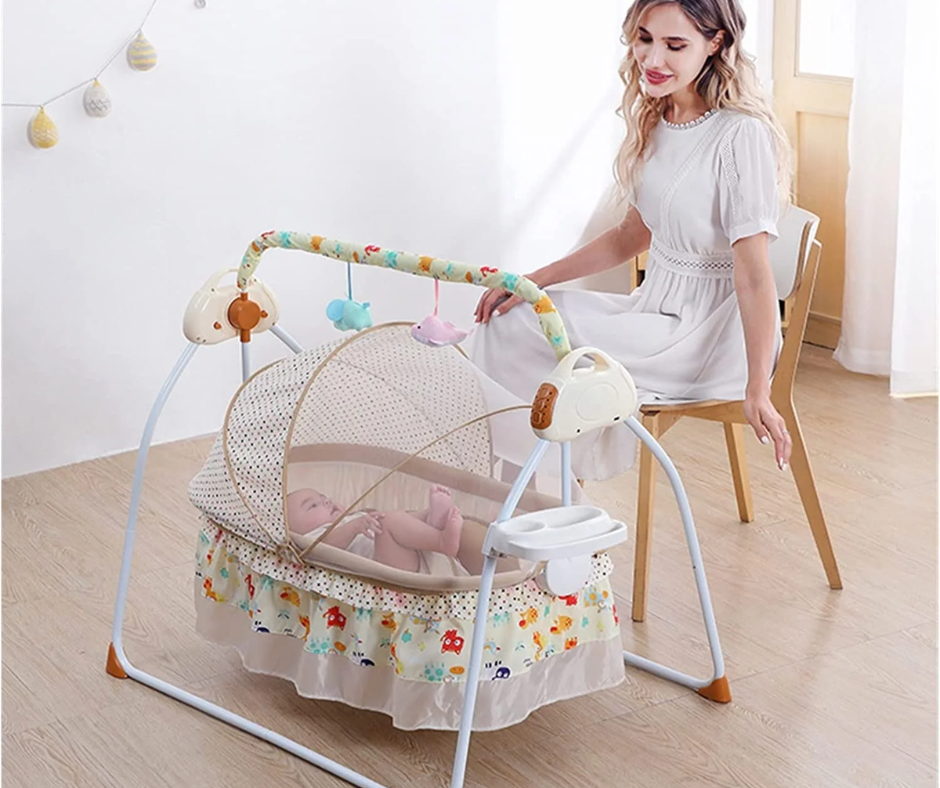
During those earlier months, a child’s sleepwear works alongside other soothing elements that surrounds your little one. Whether it’s their crib, bassinet, or the gentle rocking on the baby swing. The foundation of safe sleep remains the same, a firm surface, minimal loose items, and properly fitted baby sleepers. While a baby swing provides gentle movement and temporary comfort during those wake windows, a sleepwear’s role is regulating their body temperature to keep your child feeling secured and snug without the need for loose blankets.
Essential Types of Baby Sleepers for Every Developmental Stage
Baby sleepers are made very special on their own way targeting different needs per age. As your baby grows, their mobility and sleep habits also changes, this then requires different types of sleepwear with each stage needs.
Newborn Stage (0 – 3 months)
- Footed zip-up sleepers
- Swaddle-compatible sleepers
- Gowns with elastic bottoms for quick diaper changes
At this stage, it’s warmth and simplicity are what babies need. One-piece sleepers can minimize any exposed skin and reduce the need for additional layers.
Infant Stage (3–9 Months)
- Footed pajamas
- Two-way zip sleepers
- Wearable blankets or sleeping sacks
As babies begins to roll and move more, flexibility and breathability becomes more highlighted.
Mobile Babies and Toddlers (9+ Months)
- Footless sleepers
- Two-piece pajama set (snug-fit)
- Sleep sacks that has legs openings
Choosing an age-appropriate baby sleepers can ensure your child’s utmost safety while still supporting their freedom of movement.
Comparing Fabrics: Choosing Between Cotton, Bamboo, and Fleece
From the overall style and specific features of baby sleeper, choosing the most comfortable fabric type greatly impacts the overall comfort of a baby sleeper for your little one. This also significantly affects their temperature regulation, and skin sensitivity.
Cotton
This is the most popular choice when it comes to baby sleepers since it’s very breathable, durable and gentle especially on sensitive skin. It works well in moderate climates and layers easily.
Bamboo
This kind of fabric is ultra-soft ones that naturally moisture-wicking as well. It’s ideal for babies who sweat easily or may have eczema-prone skins. Bamboo sleepers are also pretty stretchy fabrics that accommodates growth spurts well.
Fleece
For that extra warmth, the fleece type of fabric surely gives you that, meaning this kind of fabric best suited for colder climates. But the downside is that fleece isn’t that breathable. This information helps you avoid overheating.
Room temperature and your child’s tendency to run cold or warm are factors that you should also be considering when you’re checking out the kinds of fabrics for your sleepers.
Key Features That Make Middle-of-the-Night Diaper Changes Easier
Sleep deprivation at any stage is real, and a thoughtful design features in a baby sleeper can make the nighttime diaper changes much easier and quicker to be less disruptive.
Look for:
- Two-way zippers (the one that opens from the bottom)
- Fold-over mittens for newborns
- Snap closures placed along the legs
- Stretchy neck openings
The two-way zippers can be much of help as they allow you to change your little one’s diapers without fully undressing your baby. This also keeps them warm and still sleepy even when being changed. Avoid sleepers that have complicated buttons or the ones that are hard-to-align snaps, they’re frustrating to deal with at 2 a.m.
Why Snug-Fitting Sleepwear Is a Critical Safety Requirement
Prioritize your child’s safety as well other than comfort, especially when selecting your baby sleepers. In many countries, a child’s sleepwear should be able to pass the flammability standards. Instead of using flame-retardant chemicals, most brands design sleepwear to fit snugly against the body.
Loose-fitting pajamas can be a greater fire risk since they allow more oxygen circulation around the fabric. Snug sleepers can.
- Reduce flammability risks
- Eliminate the need for loose blankets
- Prevent fabric from bunching over the face
Always check on the sizing guide of your baby sleepers to ensure the fit is comfortable but still close to the body.
The Transition from Swaddling to Wearable Blankets and Sleep Sacks
Swaddling provides peak comfort by mimicking the feel in the womb. But once your baby grows signs of rolling, swaddling should stop immediately. At this stage, you can transition to:
- Wearable blankets
- Traditional sleep sacks
- Transitional swaddles with arms free
Sleep sacks are paired well beautifully with baby sleepers, that replace loose blankets and maintaining warmth without restricting safe movement. As the babies grow more mobile, consider sleep sacks with leg openings for greater independence as well.
Managing Layers and TOG Ratings for Different Room Temperatures
Regulation of temperature is one of the most selling and important function of baby sleepers. Overheating is a known risk factor for sleep-related incidents, this is why having an understanding of layering is very much important. The Thermal Overall Grade measures up the warmth of a sleepwear and sleep sacks that you use for your little one.
General Guidelines:
- 0.2 – 0.5 TOG: Warm climates or summertime temperature
- 1.0 TOG: Mild temperatures
- 2.5 TOG: Cooler rooms
- 3.5 TOG: Cold environments
A cotton sleeper or a 1.0 TOG sleep sack is usually enough when paired with a room temperature between 68–72°F (20–22°C). It’s best to check on their chest or back rather than the hands or feet when checking whether your child is cold or feeling too hot, a slightly cool hands are usually normal.
Practical Tips for Building a Versatile Baby Sleep Wardrobe
You don’t really need a dozen pajamas, or a whole lot but having a functional rotation of baby sleepers can simplify your wardrobe choices.
General recommended quality,
- 5 – 7 everyday sleepers
- 2 – 3 warmer options
- 2 lightweight options for the summer
- 2 – 3 sleep sacks
babies usually grow a lot quicker, so avoid over-purchasing in one size. Neutral colors or mix-and-match designs can extend usability between siblings if you want. Keeping one extra sleeper in your diaper bag for emergencies are considerable.
Proper Care and Maintenance to Keep Baby Sleepers Soft and Safe
Keeping the softness and safety of baby sleepers can ensure the long-term comfort and durability of one which many parents go for, to get the most out of their money as well.
Washing tips to make your child’s clothes last longer,
- Use gentle, fragrance-free detergent
- Wash in cold or warm water
- Avoid fabric softeners
- Tumble dry on low heat
Regularly inspect your sleepers for,
- Loose threads
- Broken zippers
- Worn-out elastics
Replace their sleepers that have become overly damaged or stretched. With proper care, you can preserve the integrity of the fabrics, keeps your baby comfortable and greatly extends the lifespan of each piece.
Conclusion
From the newborn struggles to toddler independence, the right baby sleepers create a strong foundation of safe and comfortable rest. By means of prioritizing fabrics that are breathable, snug fits, practical features and appropriate layering of clothes, you are supporting your baby’s sleep without any other complications.
All while soothing tools like a baby swing can be a great help at wake windows, it’s with the thoughtfully chosen sleepwear that gets them through even on rough nights. Great quality sleepers are amazing investments that you won’t regret buying.
With careful selection and considerations of factors that surrounds a restful sleep, you’re helping your child’s wardrobe to be more functional, safe and cozy throughout the precious stages of growth.