
It’s common for parents to have like a thousand of questions in mind especially when it comes to newborn feeding. So, questions like how often do newborns eat is a pretty common one. And usually, you may notice how newborns can feel like they’re consistently feeding, this is because you’re not imagining it, it’s really happening. Newborn feeding patterns can feel just nonstop, unpredictable and sometimes it can get overwhelming. But this is completely normal and essential especially during the first weeks of life.
In the newborn stage, feedings can shape the rhythm of the day with your little one. You’ll often sneak in moments of planning their naps, diaper changes and even those moments of rest around your busy day with their feedings and play. There are also times when your little one can fall asleep in your arms after nursing, other times they may need extra soothing.
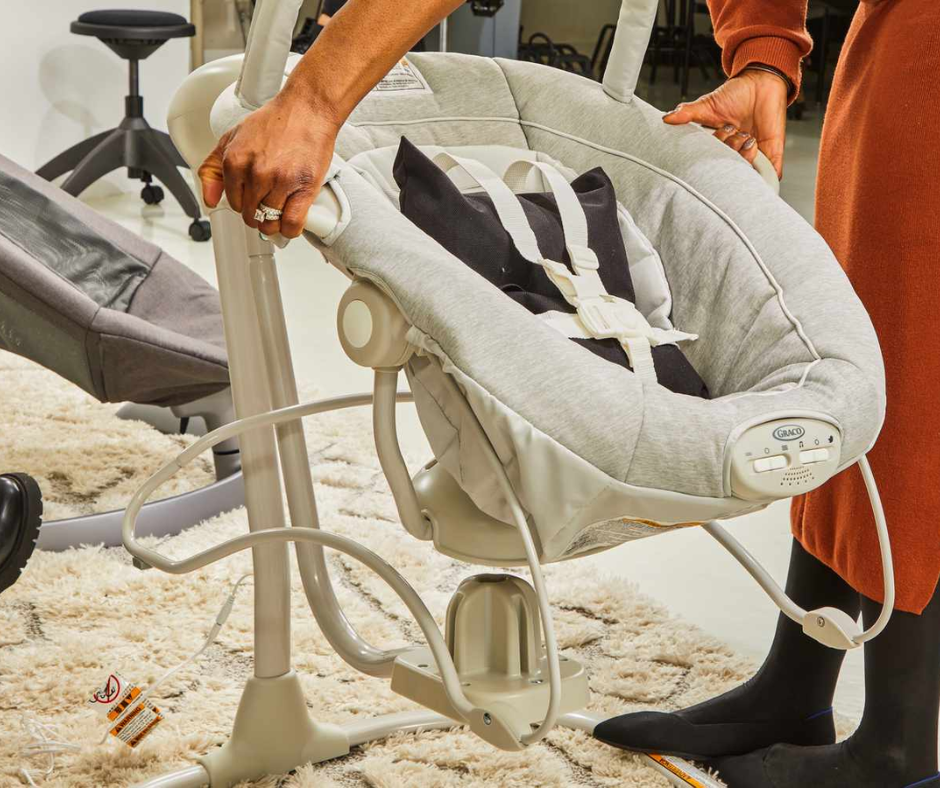
This is where the portable infant swing can prove its worth for you to catch your breath in between feeds. Understanding how often do newborns eat can help you build up more of your confidence and have the feeding of being reassured that what’s happening to them at this point is developmentally appropriate for them and this is what they really need.
Typical Feeding Frequency for Newborns
Let’s now dive deep into the question of how often do newborns eat in those early weeks?
For most newborns it’s usually,
- Every 2 – 3 hours if they’re breastfed
- Every 3 – 4 hours if they’re feeding on formula
This is about 8 – 12 times in 24 hours
Feedings significantly ramp up after a few days of birth, which are commonly observed with breastfed babies. This is also a good thing to happen so that you’ll have a steadier supply of milk.
Many parents aren’t aware that when we say “every 2 – 3 hours” of feeding really means from the start of one feed to the start of the next one and not really the end. If your child’s feedings typically feeds for 30 – 40 minutes, their next feeding won’t be that far too long before the other one.
It’s common for babies to cluster feed at this point, especially nearing the night or the night itself. While going through the cluster feedings, babies usually nurse for hours and hours at a time which is usually pretty exhausting for an already exhausted parent. But this is with utmost importance as this makes feedings in the future more efficient and supports your healthy milk production. If you’re concerned whether the constant feeding you’re experiencing is still normal, the answer is almost always a big yes. This frequent feeding is the hallmark of the newborn stage.
Recognizing Your Baby’s Hunger Cues
Checking out your child’s hunger cues and understanding them can be a lot more helpful rather than sticking to strict timelines
Earlier hunger cues usually includes,
- Sucking of hands of fingers
- Rooting
- Lip Smacking
- Stirring from sleep
Mid-level cues,
- Squirming
- Increased movement
- Fussiness
Late cue,
- Crying
Being able to feed your little one after noticing those earlier cues are far better to lead to smooth feedings, both for you and your little one. In reality crying is the last and late hunger sign, and babies who’re already upset can put more struggle to latching or feeding calmly.
Newborns don’t follow strict rules and schedules when it comes to their feeding. Their hunger is mainly driven by the rapid growth, stomach capacity and their metabolism. Observing their cues and being able to respond to them appropriately can be more successful rather than focusing on rigid timing and feeds.
Differences Between Breastfeeding and Formula Schedules
It’s a given that newborns feed frequently, but there are key differences between breastfeeding and formula feeding.
Breastfed babies – may usually eat more frequently since the breastmilk is easily digested and absorb by their body. Nursing 8 – 12 times per day is the usual count, but it could sometimes be more when undergoing growth spurts.
Breastfeeding is also a supply-and-demand system whereas the more your child nurses, the more milk your body is compelled to produce. This is another major factor why feeding on demand is especially important for breastfeeding babies.
Formula-fed babies – since the formula can take longer to digest, newborns who are formula-fed can go a bit longer in between feedings which could be 3 – 4 hours. When it comes to formula, its volume can matter more. Prants can easily track the ounces that their baby consumes per feeding that makes feeding patterns more measurable.
But regardless of the feeding method, answering the question of how often do newborns eat always comes down to each of their own feeding needs. There could be babies who are hungrier, while some others take smaller, much more frequent feeds.
Why Newborn Stomach Size Matters for Feeding
It’s unbelievable how incredibly small a newborn’s stomach is after birth. On day one, it’s only about the size of a cherry and by the third day, it grows to the size of a walnut. By the end of their first week, it’s closer to the size of an apricot.
Since their stomachs are super tiny, newborns can only consume limited amounts at once. This is the main reason behind the question of how often do newborns eat, they need frequent refueling. Think about this as refueling a very small gas tank, which gets emptied out pretty quickly and needs to be refueled from time to time.
Frequent feedings help support,
- Gaining healthy weight
- Stabilizing blood sugar levels
- Brain Development
- Establishing milk supply
Having an understanding of your child’s stomach capacity can help normalize frequent feeding and also prevents any unrealistic expectations about longer sleep stretches in the earlier weeks of your child’s life.
The Importance of Feeding on Demand
Many experts advocates feeding newborns based on their demands rather than getting them into a strict feeding schedule. This usually means offering milk whenever your baby shows early signs of hunger.
Why feeding on demand is so important?
- It supports natural growth spurts
- Prevents underfeeding
- Builds up their trust and attachment to you
- Regulates your milk supply (for breastfeeding parents)
When you’re trying to stretch out the feeding intervals early on can lead to fussiness, poor weight gain, or decreased milk production. During a child’s first month of life, it’s not on the scheduling side but rather being responsive. With time, their feeding patterns will naturally emerge. But in the beginning, you have to keep things very flexible when you want to get the answer of how often do newborns eat which is usually really as often as they need.
Monitoring Wet and Dirty Diapers for Intake
One of the best ways to tell that your child is getting enough milk intake is checking their diaper output.
During the first week,
- Day 1 – at least 1 wet diaper
- Day 2 – at least 2 wet diapers
- Day 3 – at least 3 wet diapers
- After the 5th day,
A stable output of 6 – 8 wet diapers per day
- 3 – 4 bowel movements
Steady weight gain and a regular diaper output is a typical confirmation that they’re feeding pretty fine and enough. Rather than focusing on exact feeding intervals, keeping in track of their diaper output can give you a reassurance that they’re feeding well.
Managing Nighttime Feeding Intervals
One of the most challenging parts of newborn care are those nighttime feedings. Now if you’re wondering how often do newborns eat at night, the answer is: whenever they need to.
Many newborns can wake every 2 – 4 hours through the night. But there are some newborns that may need to be woken for feedings in the first week if they haven’t gained back their birth weight.
To manage their nighttime feedings, you can
- Keep the lights very dim
- Avoid stimulating interaction when they wake during the night
- Prepare all possible supplies within reach
- Use a side-lying feeding position if you’re comfortable doing so
These nighttime feeds help support their growth and a healthy development. Although not gonna lie, it could be exhausting, but they’re temporary. By 6 – 8 weeks many babies can go for longer nighttime sleeping stretches.
When to Expect Changes in Feeding Patterns
As your babies grows older, their feeding frequency changes gradually,
At around 6 weeks,
- Growth spurts can temporarily increase their feeding frequency.
Around 2 – 3 months, - Feedings are more efficient.
- Sessions can shorten.
- Slightly longer naps may appear between feedings
Around 4 – 6 months,
- Some babies naturally increase feeding spaces further apart.
- Nighttime stretches also lengthen
But every child is different on their special ways. Answering the question of how often do newborns eat can evolve into how often infant really eat, and those patterns can continue changing throughout the first year of your child’s precious life.
There are other factors that can affect their feeding frequency temporarily, these could be due to illnesses, growth spurts, and developmental milestones at any stage of their lives.
Conclusion
If you feel like all your newborn do is eat and eat, you’re not alone, during the early infancy frequent feeding is one of its most defining characteristics. Their tiny stomach size, rapid brain development, and increased metabolic needs are considered great drivers of how often do newborns eat.
In most cases, it could range from 8 – 12 times of feeding everyday, but sometimes more when they go through growth spurts. Observing their hunger cues, keeping notes of their diaper output, and responding to their hunger cues and demand can prove to be a whole lot helpful than sticking to a pretty strict schedule especially in their early weeks.
These days and nights can feel so long, but this stage is temporary. With enough time, feedings can become more predictable, their intervals will stretch and more predictable routines naturally form. For now, being their, being responsive, with patience and also self-compassion, you’ll get over this stage. You just have to trust the process.