
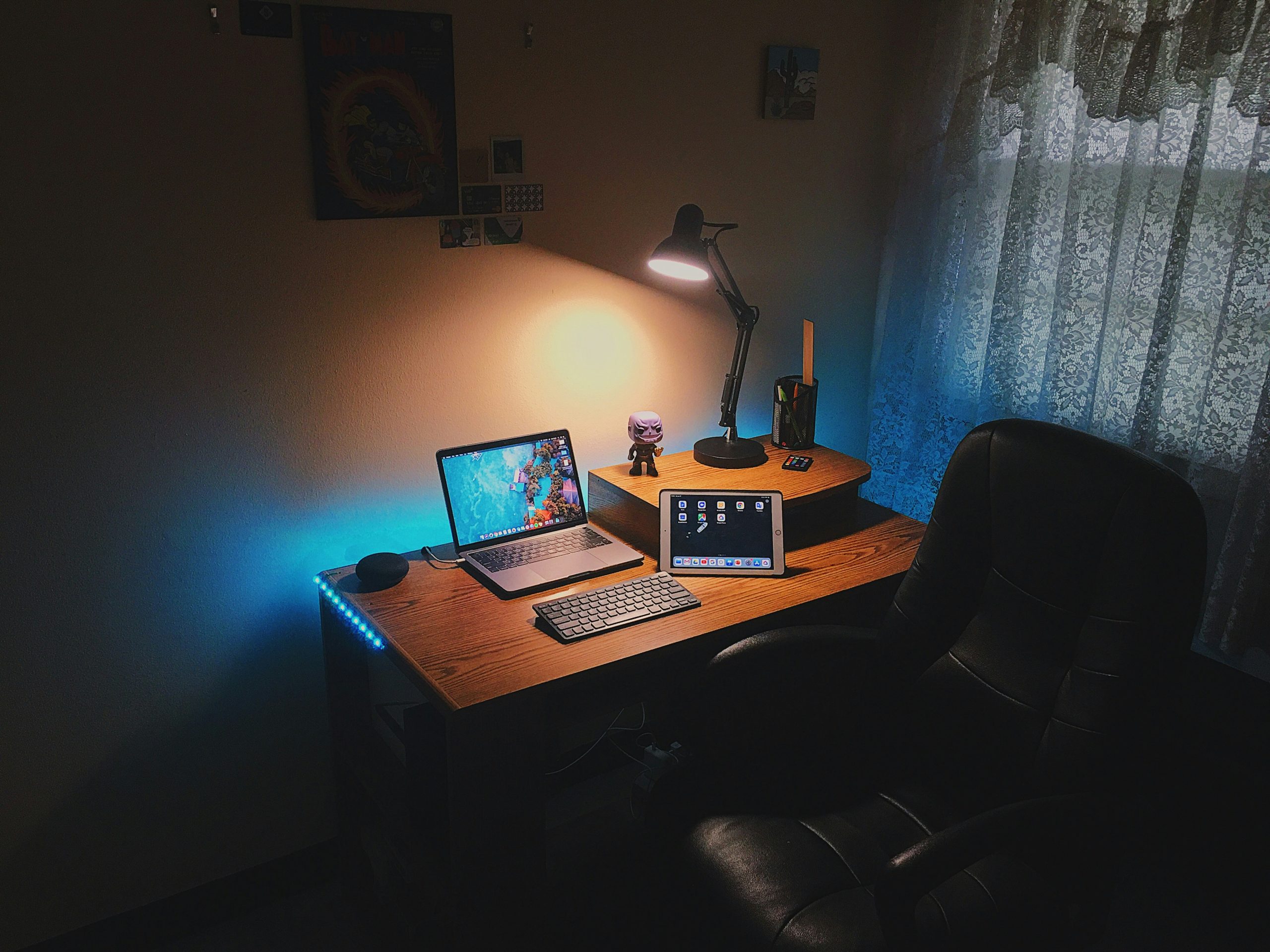
Purposeful Space Planning
Consider the room dynamics before designating a workspace. Noise levels, natural light patterns, and temperature fluctuations play important roles in how a space can be utilized for work. Try experimenting with various locations in your home before settling on a permanent spot for the home office. It’s important to assess how the room feels throughout the day and how it complements your work habits.
Nurturing Productivity Through Design
Colors also have a profound impact on mood and productivity. Choose a color palette for your workspace that is both invigorating and calming. Shades of blue are often associated with tranquility and can enhance concentration, while dashes of green may encourage creativity. It’s amazing how a stroke of paint can elevate a space from ordinary to inspiring.
Lighting is another significant factor in designing a productive workspace. Natural light can reduce eye strain and improve mood, so position your desk near a window if possible. If natural light is limited, use adjustable lamps to emulate daylight. A carefully chosen lighting arrangement can energize and sustain focus throughout the day.
Sometimes, optimizing available space means parting with items that no longer serve a purpose. This process isn’t just about eliminating clutter; it’s about creating an environment that aligns with your current lifestyle needs. For those in urban settings, seeking services like Junk Jaws, a company that specializes in junk removal in Chicago, can be invaluable. Proper disposal and organization ensure you make the most of your home office setup without unnecessary distractions.
Minimalism and De-cluttering
Think of your workspace as an ecosystem, where less is often more. Introduce storage solutions to keep necessary tools out of sight but within reach, such as using wall-mounted shelves or multi-compartment desks. Be selective with your decor; each piece should serve a purpose, whether it’s functionality or emotional comfort. By keeping your immediate environment organized, you’ll find that mental clarity often follows.
Avoid the trap of accumulating unnecessary gadgets or stationery. Adopt a minimalist approach, where each item on your desk has a use. Besides clearing physical space, maintaining a tidy digital workspace is equally crucial. Regularly organizing your computer files and clearing digital clutter can mirror the sense of order in your physical surroundings.
Prioritizing Technological Setup
Redundancy is a significant consideration for maintaining productivity. Equip yourself with backup power sources, such as an uninterruptible power supply, to navigate power outages seamlessly. Additionally, familiarize yourself with mobile hotspots as alternatives where internet reliability is suspect, ensuring no workday is lost to technical interruptions.
Invest in ergonomic equipment that caters to your specific needs. Whether it’s a comfortable chair that supports good posture or a keyboard that reduces wrist strain, such investments in quality technology ensure that you remain at ease while working, minimizing distractions and bolstering overall efficiency.
Maintaining Work-Life Balance
Another way to reinforce boundaries is through wardrobe selection. The act of ‘suiting up’ for work—even when staying home—can signal a mental shift from leisure to productivity. Once work hours conclude, change into more relaxed attire, symbolizing a return to personal time. Clothing becomes a simple yet effective tool in maintaining a mental distinction between phases of the day.
Encouraging Communication and Collaboration
To foster a sense of connectedness, set up occasional virtual team-building exercises. These activities can range from online games to shared virtual coffee breaks, offering colleagues a chance to bond over shared experiences outside standard work meetings. Navigating remote work culture involves keeping personal connections alive, no matter the physical distance.
Create a digital open-door policy that makes you approachable, even if virtually. Encourage spontaneous video calls or use instant messaging platforms to facilitate quick questions and sharing ideas. This ongoing dialogue ensures everyone remains aligned, fostering a more cohesive and efficient work environment.
Designating Decompression Zones
Incorporate natural elements into your relaxation area to maximize its calming effect. Indoor plants, with their refreshing greens and life-affirming qualities, can enhance air quality and promote serenity. Integrating nature into these spaces isn’t just an aesthetic choice; it may cultivate a mini-escape from the day’s grind.
Consider aromatherapy as well, which can further enhance the tranquility of your designated de-stress zone. Scents like lavender and chamomile are known for their calming properties and can aid in relaxation, signaling your mind and body to unwind after a long workday.
Creating Consistent Routines
Beyond the work itself, view personal routines with equal dedication. Incorporating evening rituals, such as a leisurely walk or a moment of mindfulness, can bring closure to the workday. This transition is essential for recharging, ensuring you greet each new day with renewed enthusiasm and a clear mind.