Blog Page 20

A Comprehensive Guide to Ethical Hacking and Penetration Testing

0

Ethical hacking and penetration testing are vital components of a robust cybersecurity strategy. By identifying vulnerabilities, proactively assessing security measures, and providing actionable recommendations, organizations can strengthen their defenses and protect sensitive information from malicious actors. Following structured methodologies, best practices, and ethical guidelines ensures the effectiveness and integrity of these testing activities. Embrace the mindset of an ethical hacker, continuously improve your skills, and stay vigilant in the ever-evolving landscape of cybersecurity. Want to take a break from playing Slots? We will explore the world of ethical hacking and penetration testing, shedding light on their importance, methodologies, and best practices.

Understanding Ethical Hacking and Penetration Testing

Ethical hacking, which is commonly referred to as white-hat hacking, encompasses the meticulous process of identifying and exploiting vulnerabilities within computer systems, networks, or applications. The key distinction is that this is done with explicit permission and knowledge from the system owner. The primary objective of ethical hacking is to enhance security by proactively pinpointing weaknesses before they can be exploited by malicious hackers.

Penetration testing, frequently used synonymously with ethical hacking, involves a controlled and methodical evaluation of a system’s security. It entails the simulation of real-world attacks to assess the effectiveness of existing security measures and to uncover vulnerabilities that may exist. The ultimate aim of penetration testing is to offer tangible recommendations that can be implemented to fortify the system’s security stance.

Why Ethical Hacking and Penetration Testing is Important

1. Identifying Vulnerabilities

By adopting an offensive mindset, ethical hackers and penetration testers can uncover vulnerabilities that may have been overlooked during the development or configuration of a system. Identifying these weaknesses allows organizations to patch them before they can be exploited by malicious actors.

2. Proactive Defense

Instead of waiting for a cyber attack to occur, ethical hacking and penetration testing enable organizations to take a proactive approach to cybersecurity. By continuously evaluating their systems’ security, they can stay one step ahead of potential attackers.

3. Risk Mitigation

Ethical hacking and penetration testing provide valuable insights into the risks faced by an organization’s assets. By understanding the vulnerabilities and their potential impact, organizations can prioritize their resources and implement effective risk mitigation strategies.

Methodologies and Best Practices

Ethical hacking and penetration testing involve a structured approach to ensure comprehensive coverage and reliable results. Here are some common methodologies and best practices followed by professionals in the field:

1. Planning and Scoping

Clearly define the objectives, limitations, and scope of the engagement. Identify the target systems, applications, and network segments to be tested. Obtain proper authorization and legal documentation before initiating any testing activities.

2. Information Gathering

Gather as much information as possible about the target, such as IP addresses, domain names, network infrastructure, and system configurations. This information helps in identifying potential attack vectors.

3. Vulnerability Analysis

Scan the target systems and networks for known vulnerabilities using automated tools. Conduct manual testing to identify vulnerabilities that automated tools may miss. Analyze the results and prioritize vulnerabilities based on their severity.

4. Exploitation and Post-Exploitation

Attempt to exploit the identified vulnerabilities, gaining unauthorized access to systems or applications. Once access is achieved, perform further reconnaissance to gather additional information and assess the extent of the compromise.

5. Reporting and Remediation

Document the findings, including the vulnerabilities discovered, the steps taken to exploit them, and the potential impact. Provide detailed recommendations for mitigating the identified vulnerabilities. Work closely with system administrators and developers to ensure vulnerabilities are patched and security measures are improved.

6. Continuous Improvement

Ethical hacking and penetration testing should be viewed as an ongoing process rather than a one-time event. Regularly assess the security posture of systems and networks through periodic ethical hacking and penetration testing engagements. Stay updated with the latest vulnerabilities, attack techniques, and security best practices to ensure that your testing methodologies remain effective.

7. Collaboration and Communication

Effective communication with stakeholders is crucial throughout the ethical hacking and penetration testing process. Collaborate with system owners, administrators, and developers to understand the system’s architecture, address any concerns, and obtain necessary permissions. Provide clear and concise reports that convey the findings, risks, and recommendations in a non-technical manner, facilitating decision-making and remediation efforts.

8. Ethical Considerations

As an ethical hacker or penetration tester, it is essential to adhere to a strict code of ethics. Respect the privacy and confidentiality of the systems and data being tested. Obtain proper authorization and permissions before initiating any testing activities. Ensure that your actions do not disrupt the normal operations of the target systems or cause harm to the organization.

9. Continuous Learning

The field of cybersecurity is constantly evolving, with new attack vectors and defense mechanisms emerging regularly. Stay updated with the latest trends, tools, and techniques in ethical hacking and penetration testing through continuous learning. Participate in industry conferences, training programs, and certifications to enhance your skills and knowledge.


What is Stakeholder Management?

0

Whether you’re starting a new business, starting a building project, or putting a new product on the market, managing your stakeholders is an important step that can make or break your project. But what exactly is stakeholder management?

What Does Stakeholder Management Mean?

Stakeholder management is, at its most basic, the process of finding, analysing, planning, and carrying out actions that involve people or groups who have a stake in a project. These people or groups are called stakeholders. These stakeholders could be anyone, from team members, customers, and sellers to investors, government agencies, and even the media. Each partner has a different effect on your project, so managing them well is a key part of project management.

Why is stakeholder management important?

Stakeholder management is important because it can significantly impact a project’s success, enhance communication, improve decision-making processes, build strong relationships, and ultimately lead to a successful project outcome.

Identifying Stakeholders in a Project

Every project has its own unique set of stakeholders. These are typically categorized into two groups: internal and external.

Internal Stakeholders

Internal stakeholders are those individuals or groups within your organization who are directly impacted by your project. This includes employees, team members, and managers. These individuals have a direct stake in the project’s outcome as it can affect their job roles, responsibilities, and performance metrics.

External Stakeholders

On the other hand, external stakeholders are people or groups outside of your organisation that are still touched by the outcome of your project. Customers, sellers, investors, the community, and governing bodies are some of these groups.

Stakeholder Analysis

Once you’ve identified who your stakeholders are, the next step is stakeholder analysis.

Understanding Stakeholder Power and Interest

This process involves understanding your stakeholders’ power (their ability to influence your project) and their interest (how invested they are in your project’s outcome). These two dimensions help to determine how much attention you should pay to each stakeholder.

The Stakeholder Analysis Matrix

A common tool for visualizing stakeholder power and interest is the Stakeholder Analysis Matrix. This two-by-two grid helps to prioritize your stakeholders based on their level of power and interest.

The Role of Stakeholder Management Software

In the age of digital transformation, stakeholder management has been significantly enhanced through the use of stakeholder management software. This technology has streamlined the process of identifying, analyzing, and engaging stakeholders, making it a vital tool in modern project management.

Stakeholder software helps organize all information related to your stakeholders in one centralized platform. It assists in identifying stakeholders based on their power, influence, and interest, and maps these data visually, allowing for more effective decision-making. Furthermore, it provides tools for communication management, ensuring all stakeholders are updated about the project’s progress regularly and transparently.

Moreover, stakeholder management software allows tracking of stakeholder engagement activities, ensuring no stakeholder is left out of crucial conversations. It also enables you to monitor stakeholder sentiments and feedback, giving you real-time insights to promptly address any issues or concerns, ultimately leading to better project outcomes.

Implementing stakeholder management software can not only save time and reduce errors but also enhance the overall stakeholder engagement experience, making it a valuable investment for any project team.

The Art of Stakeholder Engagement

Engaging stakeholders isn’t as simple as keeping them informed. It’s about communication, understanding, and managing their expectations.

What is stakeholder engagement?

Stakeholder engagement involves managing and communicating with stakeholders, understanding their expectations, and working collaboratively to address any issues or concerns.

Stakeholder Communication

Consistent and transparent communication is vital in stakeholder management. Providing regular updates about the project, addressing their concerns promptly, and being honest about project challenges can help build trust and a positive relationship with your stakeholders.

Ways to Engage Stakeholders Effectively

Hosting stakeholder meetings and workshops is another effective way to engage your stakeholders. This provides a platform for open discussions, brainstorming solutions, and collaboratively making decisions that can significantly influence the project’s direction.

Stakeholder Management Challenges and Solutions

Despite your best efforts, you might still encounter challenges in managing stakeholders.

Dealing with Difficult Stakeholders

These might include dealing with difficult stakeholders, those who are resistant to change or have conflicting interests.

Case Study: Successful Stakeholder Management

Consider successful stakeholder management cases as guides, and learn from their strategies on managing and engaging their stakeholders.

The Impact of Effective Stakeholder Management

Effective stakeholder management can significantly impact a project’s success. It can enhance project communication, improve decision-making processes, build strong relationships, and ultimately lead to a successful project outcome.

Conclusion

Stakeholder management is a key aspect of project management that should never be overlooked. It ensures a positive relationship with those that have a vested interest in the project and aids in achieving the project’s goals and objectives

Simple steps video gamers can take to improve their gameplay

0

Online video gaming has become a popular form of entertainment, captivating millions of players worldwide. Whether a casual gamer or aspiring to become a pro, there are steps that can be taken to enhance gameplay. In this article, we will provide simple yet effective measures gamers can implement to improve their skills and performance.

Here are some simple steps gamers should take to enhance their gameplay, compete at a higher level, and enjoy a thrilling and fulfilling gaming experience:

Practice regularly and strategically

Consistent practice is key to mastering any video game. Set aside dedicated time for gameplay and focus on areas that need improvement. Players should create a practice routine that includes warm-up sessions and skill-building exercises. Players can identify their weaknesses, refine techniques and gain a competitive edge by practicing strategically. Additionally, they can analyze their gameplay to identify patterns or mistakes.

Learn from experts and online communities

The gaming community is filled with experienced players willing to share their knowledge and expertise. Many professional gamers create content on platforms like YouTube or Twitch, where they provide valuable insights, strategies and tips. These resources can help players understand games like DC Universe, learn advanced techniques and discover new strategies that can give them an edge.

Players should watch tutorial videos, read guides and participate in forums or social media groups dedicated to their chosen game. By actively participating, they can learn from the experiences of others, gain new perspectives and stay up to date with the latest trends in the gaming community.

Optimize a gaming setup

Creating an optimized gaming setup can significantly improve gameplay experience. Players should invest in quality equipment that suits their gaming preferences and enhances their performance, starting with a high-quality gaming mouse, keyboard and headset for better control and precision. Consider factors like ergonomics, customizable buttons and adjustable sensitivity to match playstyle.

Players should make sure their computer or console is up to date with the latest hardware and software requirements. Optimize network connections to minimize lag and latency. If using Wi-Fi, position the router closer to the gaming setup and avoid interference from other devices. Additionally, adjust in-game settings, such as resolution, graphics quality and key bindings, to suit preferences and hardware capabilities.

Incorporate Fibonacci Sequence Betting

By drawing inspiration from the Fibonacci Sequence Betting strategy, gamers can leverage its principles to enhance their decision-making process and gameplay strategies. The Fibonacci sequence is a numerical pattern that starts with two ones. The sequence goes like this: 1, 1, 2, 3, 5, 8, 13, and so on. Each subsequent number is the sum of the two preceding ones.

For instance, in a strategy game where resources play a crucial role, players can allocate resources based on the Fibonacci sequence. They can start with a small allocation, then gradually increase it by following the sequence. This approach allows for a systematic and measured progression in resource management. It ensures efficient utilization and strategic decision making.

Conclusion

Improving gameplay requires dedication, strategy and continuous learning. Players can enhance their gaming skills by practicing regularly, learning from experts, optimizing their gaming setup and analyzing their gameplay. Following these simple steps, they can rise to high rankings in online video games and elevate their gameplay to dominate the virtual realm.

Keeping Your iPhone Secure: Your Ultimate Guide

0

Have you ever experienced that sinking feeling of panic when your trusty device goes missing? Last week it happened to me and let me tell you, I scoured everywhere for it – my bag, my pockets, even the seats in my car. It wasn’t just about the loss of an expensive piece of tech but also the countless photos, messages, notes, and other irreplaceable files that were at risk. All those personal moments… just gone.

It made me realize that we’re all carrying mini-biographies in our sleek devices – pictures from memorable trips abroad, cherished messages from loved ones, and even our work docs for that big meeting next week. It’s a whole lot of information sitting there for anyone to access if they get their hands on our iPhones. An iPhone locked to owner is fixable by dedicated services, but what if your data is gone? Let’s talk about how to prevent this scenario.

Why iPhone Security Matters

So why take such precautions with iPhone security? Well, because these handheld wonders aren’t just phones anymore – they’re practically our lifelines! Our personal assistant, connection to friends and family across the globe… Basically, our everything.

In this day and age, when unexpected data breaches and even identity theft are becoming increasingly common occurrences – iPhone security has never been so crucial! Plus, as part of a worldwide network of users – we sadly can’t hide from all creeps lurking within it!

But don’t fret too much; Apple takes your safety seriously (ever tried hacking someone’s passcode more than once?). Besides, there are plenty of ways we can level up our safeguarding game. With a little knowledge of how we can keep our iPhones secure, we ensure that our precious memories stay preserved and private!

iPhone’s Built-In Security Features

How do iPhones lock down our private information? Let’s take a closer look. First, let’s talk biometrics – the futuristic facial recognition tech that is Face ID and the good old fingerprint scanner, Touch ID. These are more than just convenient ways to access your device or buy apps. They’re like trusty digital bodyguards from Apple who ensure that your unique biometric data stays safe right on your device. Plus, it feels like a sci-fi movie when you simply lift up or touch your phone to breach its security, isn’t it?

The passcode is another essential safeguard for your iPhone – think of it like the key to a secret room where only you decide who gets in. Whether you choose an easy-to-remember four-digit pin or a mix of numbers, letters, and symbols, it acts as an impenetrable barrier against anyone trying to breach into your digital pier.

Have you ever misplaced your phone before? Don’t fret – lost and found is made easier with ‘Find My iPhone.’ It’s like having GPS trackers on steroids; it helps reunite users with their devices faster without risking their privacy on someone else’s hands. Alternatively, in catastrophic situations such as theft or loss, this feature allows owners to erase all personal data from the device remotely.

Finally, iOS encryption puts an advanced layer of protection over your files by scrambling codes that only Apple understands for decryption.

Extra Security Measures

Knowing about built-in features is awesome, but with additional security measures at hand, hackers will have an even tougher time breaching into our valued smartphone asset. Think of strong passwords. A little extra effort put into it goes a long way toward keeping pesky online trolls out of our iPhones, so let’s shake things up when creating passcodes by adding unguessable combinations of letters and characters!

Two-factor authentication brings extra layers of protection by requiring trusted devices and personal security keys to unlock access. It’s just like having an exclusive virtual handshake with your phone, making it extra hard for anyone trying to crack into your device.

Putting off software updates is tempting, but don’t do it! Software updates often come with essential security fixes our iPhones depend on to keep us safe from online threats. By keeping our iOS up-to-date, we’re not only getting fresh new features but also strengthening our iPhone’s immunity against digital vulnerabilities.

Common iPhone Security Myths Busted

Ready to bust some common iPhone security myths with us? Let’s go!


First up, some might think that having Touch ID or Face ID means they won’t need a passcode. But here’s the truth: these cool features aren’t foolproof. Maybe your hands are sweating on a hot summer day, or you’re wearing gloves during winter, which will make it difficult for your device to recognize you. In these situations, having a strong and unique passcode saves you from potential security breaches.

On to the next myth – jailbreaking. This one might be easy to fall for because of all the freedom it gives us, but we’re here to tell you that it comes with risks. Just like leaving your front door unlocked at night- sure, it makes things easier, but anyone can walk in and take what they want. By jailbreaking our phones, we remove important security measures put in place by Apple that protect our devices from cyber threats.

Last but not least, maybe you’ve heard the rumor that iPhones ‘can’t get viruses?’ The truth is they are less susceptible than other platforms due to strict app store policies and iOS sandboxing techniques. However, this doesn’t mean they are 100% immune! We need to be careful about downloading apps from trusted sources only and avoiding suspicious links at all costs.

Wrap-up

The thing is, securing our iPhones isn’t just about protecting our devices alone – it’s crucial for safeguarding every bit of private information we hold dear. We hope this guide helped enlighten you on some common myths so we can all create safer digital lives together! Once you’ve finished reading this article, take some time out; check your settings; update the software; use strong authentication methods – let’s band together and ensure our iPhones stay sealed tight!

The Future of UX Design for the Internet of Things

0

In this blog post, we’ll explore some of the ways that UX designers will need to adapt their skills and approach to meet the challenges posed by the IoT. We’ll also discuss some of the exciting opportunities that this new technology offers for those who are interested in pursuing a career in UX design. So whether you’re already working in the field or just considering it as a future career option, read on to learn more about what the future of UX design holds for the internet of things!

Introducing the Internet of Things and its Impact on UX Design

The Internet of Things, or IoT as its commonly referred to, is a rapidly expanding force in technological design. By connecting physical objects to the internet, it has seen a wide range of applications for designers and technology companies alike.

As such, user experience (UX) design is increasingly being adopted to make connected products easier to use and navigate for the average person. With connected technology becoming more prevalent in everyday life, UX designers need to create meaningful experiences that engage users regardless of age or familiarity with new technologies.

With powerful software platforms like Lovehive making it possible to customize user experiences without needing coding skills, more people can now bring their ideas to life and create engaging products that have an important place in enriching our lives through simple interactions with well-executed features.

The Challenges of IoT UX Design

IoT UX Design is a quickly evolving field with many challenges and considerations. From manufacturing equipment fitted with digital interfaces to web-enabled medical products, the demand for UX design has shifted away from traditional screens and machines to encompass an ever-growing range of connected devices.

This shift has created the need for designers to possess both the technical expertise required to craft experiences that are tailored to a particular device as well as an understanding of user goals and expectations across multiple platforms.

To successfully design intuitive IoT solutions, designers must stay abreast of industry developments while considering factors such as usability, accessibility requirements, privacy issues, data storage limitations and more. It is an exciting challenge to be at the forefront of this immersive field that blends physical products with digital experiences.

Adapting Your Skills for the Future of UX Design

With new methods and strategies emerging every day, the world of UX design moves at an incredibly fast pace: staying on top requires designers to have a finger constantly on the pulse to stay ahead. Doing so involves continuously developing knowledge and adapting processes – essential skills for any successful designer today!

Keeping abreast of new developments in the UX field by reading technical research papers, attending workshops, and learning from more experienced colleagues can help stay ahead of competitors. By paying attention to emerging technologies such as virtual reality interfaces, voice-activated user experiences, natural language processing, augmented reality overlays, etc., designers will be able to develop fresh ideas and create better user experiences.

Staying abreast of the latest design trends and staying agile with emerging technologies is crucial for UX designers looking to stay ahead in a constantly advancing field. Success depends on one’s dedication to lifelong learning, ensuring one remains competitive in an ever-evolving landscape.

Exciting Opportunities in IoT UX Design

The emergence of the Internet of Things (IoT) has brought with it a wealth of exciting opportunities for UX Designers. These opportunities include designing for a variety of connected devices and environments, gaining insight into how people interact with technology on an ever-growing scale, and innovating new solutions to existing challenges.

With IoT on the rise, UX designers have an unprecedented ability to shape the future of design by creating intuitive user experiences that are both accessible and engaging.

Preparing to Take Advantage of These Opportunities

As the Internet of Things continues to grow in prominence, UX design is becoming an increasingly dynamic and rewarding sector. Designers must stay agile by staying informed on emerging trends and sharpening their skill sets – allowing them to take full advantage of this rapidly expanding field!

Designers have the potential to revolutionize how we interact with everyday devices, from phones and tablets to smartwatches. By staying informed about industry trends and understanding user needs across platforms, they can create unique experiences that are as useful for tech novices as experienced users – paving the way for more exciting connected device encounters!

With this remarkable opportunity, we have a chance to craft our destiny: one where everyone benefits from advanced technology without having concerns about confusing usability or compatibility troubles. Together, let’s chart a new path for the future!

Interesting examples of UX design for IoT

UX Designers can open up a world of exciting possibilities with the Internet of Things. From incorporating smart home assistants into homes to powering self-driving cars and virtual reality gaming experiences – IoT presents an unparalleled opportunity for creative minds to create innovative digital solutions. So here are some of the most interesting and inspiring examples of UX design for IoT:

  • Smart home assistants like Alexa or Google Home are becoming increasingly popular as they allow users to control their homes with a few simple voice commands. With their intuitive user interfaces, these AI-powered devices make them easy to use and engage with.
  • Self-driving cars have revolutionized the way we get from point A to point B without needing to put our lives in danger. With interactive interfaces, these autonomous vehicles are designed to provide a pleasant and safe driving experience for users.
  • Virtual reality gaming experiences offer an immersive, interactive environment for gamers – allowing them to explore virtual worlds like never before! With intuitive voice-activated controls, users can seamlessly navigate their favorite games without having to worry about complicated menus or cumbersome hardware.
  • Augmented reality overlays are transforming how users interact with digital objects. By blending physical and virtual spaces, these applications offer an exciting way for users to engage with the world around them – from playing an interactive game in their living room to exploring a 3D model of a building.
  • Wearables are becoming an increasingly popular way to stay connected and monitor our health. With their sleek designs and intuitive user interfaces, these devices allow users to easily track their progress and access important data in real time.

As this list demonstrates, UX Design for the Internet of Things is a rapidly-evolving field that offers tremendous potential for creative solutions. With the right skills and knowledge, UX designers can make a significant impact on how people interact with technology – leading to more efficient, accessible, and enjoyable user experiences!

Conclusion

Internet of Things will have a profound impact on the field of UX design. While there are challenges that come with this new technology, there are also many exciting opportunities. designers who want to stay ahead of the curve should start preparing now to take advantage of these opportunities. To view details on how you can get started, check out our website or give us a call today. We look forward to helping you create a more connected and user-friendly future!

How to Choose the Right Employee Time Tracking Software for your Business

0

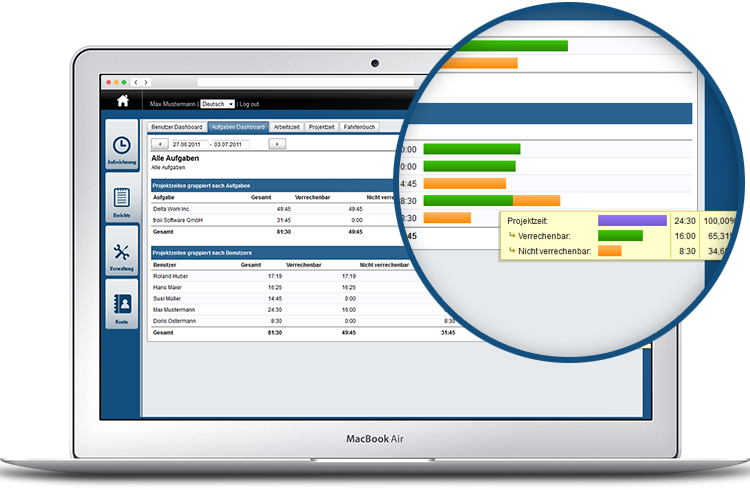
Whether you’re a small start-up or a multinational corporation, keeping track of employee hours is a crucial component of managing your business. Enter the realm of employee time tracking software – your modern-day solution to this age-old challenge. But with a plethora of online time-tracking software options on the market, how do you choose the one that’s just right for your business? No worries, we’ll guide you navigate the options!

The basics of Employee Time Tracking Software

In the simplest terms, employee time tracking software is a digital tool that records the amount of time your employees spend on their tasks. This can range from basic time logging to intricate systems integrated with project management and payroll functions. Now that you’re clear on what it is, let’s dive into how you can select the perfect fit for your business.

Evaluate your business needs

A smart way to start your quest for the perfect software is to take a moment to reflect on your business needs. Are you looking for a simple tool to track work hours, or do you need a comprehensive solution that handles project management, productivity analysis, and invoicing? Understanding your requirements is the key to narrowing down your search.

Realize the importance of user-friendliness

Keep in mind that the primary users of this software will be your employees. So, opting for a system that is user-friendly and easy to navigate is essential. Look for intuitive design, clear instructions, and efficient customer support. Software that your team can quickly adapt to will save time and avoid unnecessary frustrations.

Consider integration and flexibility

In today’s interconnected world, your time tracking software should ideally be able to seamlessly integrate with other tools and platforms used in your business. Whether it’s project management software, CRM, or payroll systems, easy integration will ensure a smoother workflow. You should also look for a tool that offers flexibility as your business grows and evolves.

Choosing the right employee time tracking software is more than just a business decision – it’s an investment in your company’s efficiency and productivity. By aligning your choice with your business needs and the ease of use for your employees, you’re setting the stage for smoother operations, improved productivity, and happier workers. So, take a moment, assess your needs, explore your options, and make the choice that propels your business to new heights.

How to Create Unique Blog Posts

There are blogs that cover just about any topic you can imagine. They are one of the oldest forms of content on the internet and still remain incredibly popular among both brands and consumers. They can be to entertain or to inform and come in a huge range of different styles and sizes.

If you own an online business, a blog can be a fantastic way of maintaining relationships with your customers and raising awareness about your brand. However, there are countless blogs out there, so yours need to stand out from the crowd. Read on and check out our top tips for creating unique blog posts.

Check for Plagiarism

Unfortunately, plagiarism is rife on the internet. It’s all too easy for creators to copy one another, and there’s nothing worse than seeing your hard work stolen and used for the benefit of a rival.

However, you can inadvertently plagiarize as well, and doing so can damage your business. It can make you lose credibility in the eyes of consumers and could even lead to potential legal issues. This can be avoided through the use of a plagiarism checker.

So, if you make a Google search with the search term – “what is a plagiarism checker?” you’ll get thousands of search returns. Typically, most returns will be loaded with information about how plagiarism detectors work, what their functions are and how best they can help webmasters avoid issues of posting plagiarized content on their site.

You’ll also see information about how these tools can rapidly scan content and compare it with other content elsewhere on the internet. Using a plagiarism detector will generate an immediate report highlighting any sections of text that could be plagiarised, giving you the opportunity to fix these issues before the blog goes live, thereby avoiding potential plagiarism action in a judicial setting.

Take a Fresh Perspective

As we mentioned earlier, the internet is full of blog posts. Research has revealed that over 4 million blogs are published every day, with WordPress alone hosting over 70 million new blogs every month.

These are incredible numbers, and what they mean is that whatever you are writing about has more than likely been covered before. However, that doesn’t mean your blog posts can’t be unique. To avoid covering old ground, take a fresh perspective and cover topics from a new angle.

Use your personal experience and industry expertise to approach subjects in new and interesting ways. This will ensure your blog posts are unique and will encourage readers to follow your blog and your business.

Do Lots of Research

Whatever industry you are in, there are likely going to be new developments and technological advancements that change the way you and your competitors do business.

Keeping on top of these developments is crucial, not just for your business in general, but also for creating unique blog content. Research topics thoroughly and familiarise yourself with the latest techniques and processes, this will allow you to create informative, knowledgeable blog posts that will prove useful rather than serve as simply filler content for your website.

A study revealed that the biggest reason people seek out and read blogs is to learn new things. This is why it’s so important that your blogs are educational and informative.

Keep Them Entertaining

While your blogs need to be informative, this doesn’t mean that they can be dry or boring. To create truly unique blog posts that will keep readers engaged, your blogs need to entertain as well as educate.

This can be a difficult balance to get right, but doing so is critical if you want your blog posts to be a success and generate traffic for your business.

Entertainment can mean using humour, although this should always be relevant and appropriate, or using images and embedded videos to break up the text and provide some additional visual stimulation.

Conclusion

Blogs can offer your business a number of benefits, but they need to be unique if they are to reach their true potential. 

How to Recruit Top Talent for Your Company

0

Recruiting top talent is one of the most critical aspects of any company’s growth and success. However, finding the right candidates can be a challenging and time-consuming process. Fortunately, there are solutions available that can help streamline the recruitment process and help you find the best candidates for your company. One such solution is Hello Pareto. Here are some tips on how to recruit top talent for your company with Hello Pareto.

Define Your Ideal Candidate Profile

Before you start recruiting, it’s essential to define the ideal candidate profile for the position you’re looking to fill. Consider the skills, experience, and personality traits that would make someone successful in the role. Hello Pareto the solution to recruit talent, can help you create a candidate profile based on your specific needs and requirements.

Leverage Multiple Platforms

To reach a broader pool of candidates, you should leverage multiple platforms to advertise your job opening. Hello Pareto can help you find potential candidates on any platform, from LinkedIn and Instagram to Google. By doing so, you can increase your reach and target a larger pool of candidates, increasing the likelihood of finding the right fit for your company.

Qualify Your Leads

Not all leads are created equal. To ensure you’re investing your time and resources in the right candidates, it’s essential to qualify your leads based on your ideal candidate profile. Hello Pareto can screen leads based on business revenue, tech stack, open roles, ads spending, recent media, and more. This allows you to focus your efforts on candidates that meet your specific requirements.

Get Valid Point of Contact Information

Contacting potential candidates can be a challenge if you don’t have their correct contact information. Hello Pareto’s solution to recruit talent can help you get valid work email, phone number, address, social handles for every point of contact, making it easier to reach out and connect with candidates. Having accurate contact information allows you to connect with potential candidates and communicate more efficiently.

Receive Fresh Leads Every Week

Recruiting is an ongoing process, and it’s essential to keep your sales pipeline full of qualified leads. With Hello Pareto’s solution to recruit talent, you can receive fresh leads every week to fill your B2B sales pipeline continually. This ensures that you always have a pool of potential candidates to draw from and that your recruitment efforts are ongoing.

Other ways to recruit top talent

  • Build a strong employer brand: A strong employer brand can help attract top talent by showcasing your company culture, values, and mission. Make sure your website, social media profiles, and job postings accurately reflect your brand and what you have to offer as an employer.
  • Attend job fairs: Job fairs are a great way to meet potential candidates face-to-face and share information about your company and available positions. Look for job fairs that are relevant to your industry and target audience.
  • Use job boards: Posting your open positions on job boards can help you reach a wider pool of candidates. Look for job boards that are relevant to your industry and target audience, and make sure your job postings are clear, concise, and informative.
  • Partner with universities: Partnering with universities can help you connect with young talent and build relationships with students and faculty members. Consider sponsoring campus events, hosting informational sessions, and offering internships and co-op programs.
  • Use social media: Social media platforms like LinkedIn, Twitter, and Facebook can be powerful tools for finding and attracting potential candidates. Make sure your profiles are up-to-date and active, and use social media to share information about your company, culture, and available positions.
  • Offer competitive benefits and compensation: Offering competitive benefits and compensation packages can help you attract and retain top talent. Make sure your packages are competitive with other companies in your industry and reflect the needs and priorities of your target audience.

When it comes to recruiting top talent, it’s important to be proactive and persistent. Recruiting is an ongoing process, and it’s essential to be constantly searching for potential candidates. By using a solution like Hello Pareto, you can streamline your recruitment efforts and focus on finding the best candidates for your company. With Hello Pareto’s solution to recruit talent, you can take advantage of advanced screening and data collection tools to make the recruitment process more efficient and effective.

How to Protect a Laptop Touchpad from Damage

The touchpad is an integral part of any laptop. It allows you to control your mouse pointer and perform right or left clicks. Unfortunately, a laptop touchpad can get damaged. It’s often one of the first components to give out as the laptop ages.

Most laptop users don’t think about protecting the touchpad. We take great care in minimizing damage to the laptop display, keyboard, and other components. Yet, the touchpad remains vulnerable to dust, debris, scratches, and deteriorated use. When you discover the pain of it not working anymore, you’ll wish you had tried harder to protect this valuable resource.

Fortunately, extending the lifespan of a touchpad is easy. You can follow basic laptop etiquette or buy specialized accessories. Here are the best ways to protect a laptop touchpad:

Clean regularly to remove dust

Dust and debris are serious concerns when it comes to laptops. Dust can infiltrate the machine or under the keyboard, wearing down internal components. Likewise, it can clog the airflow vents, preventing laptop fans from doing their job. Each month, clean the dust off your keyboard and touchpad to avoid buildup.

If you ever need to clean your touchpad, there is no reason to use anything more than a microfiber cloth. A clean microfiber cloth can wipe away all smudges and scratches from this area. Also, you can use it to clean up your laptop screen. A microfiber cloth will leave your laptop touchpad looking almost like it’s in pristine condition.

Cleaning a laptop isn’t the most desirable task, so some users may not maintain this regular habit. However, you don’t want dust and debris to accumulate in your laptop. Over time, the buildup may start clogging your laptop’s internal components, causing them to overheat.

No food or beverages

If a beverage spills onto your laptop touchpad, this potentially causes irreversible damage. You don’t want to lose the function of your touchpad, even partially. You run a grave risk when bringing coffee, juice, soda, water, or other beverages near your laptop. Keep these drinks away from your laptop touchpad.

If you’re eating and using your laptop simultaneously, you risk leaving oily smudges on your touchpad and crumbs falling on top of your keyboard. It’s the best etiquette to avoid eating and using your laptop simultaneously. This way, your touchpad won’t degrade from contact with oil, bacteria, or crumbs.

Unfortunately, accidents happen even when you are careful. The good news is that many ASUS laptops are eligible for Accidental Damage Protection (ADP). This program may cover damages from liquid spills, electrical surges, or cracked screens. You may be a candidate for ADP if you accidentally spilled a drink on your laptop. Eligible laptops include ASUS Zenbook laptops, Chromebooks, ExpertBooks, and Vivobooks. ASUS ProArt Studiobook, ROG gaming, and TUF gaming laptops may also receive coverage.

Touchpad protector

If you want to suit up and enhance the look of your touchpad, invest in a touchpad skin. A touchpad protector is a thin plastic film that blocks dirt, dust, and other debris. It provides an extra layer of protection against fingerprints, which can damage the touchpad’s surface. The film is also easily removable and can be replaced.

The protective layer of material secures your touchpad effectively. This way, your touchpad is covered and won’t face a scratch or damage. Touchpad skins can also protect against spills in some cases. Best of all, they are stylish and versatile, allowing you to customize them with different colours.

Safe storage

It’s crucial to store your laptop correctly to prevent damage to the touchpad. When not in use, store your laptop on a flat surface away from any liquids or dust that could cause damage. Store it in an area with moderate temperatures and away from direct sunlight. Additionally, you should keep it in a case or sleeve to protect it from scratches. Taking care of your laptop’s touchpad is essential for its longevity, so store it properly!

Padded case 

Carry your laptop in a high-quality case with adequate padding. Ensure the bag is fully shut and safely tucked away when you travel. A padded case minimizes the risk of an impact damaging the internal components behind the touchpad.

Fix a broken touchpad

There may be a few reasons why your touchpad is non-responsive or malfunctioning. First, verify that the touchpad was not accidentally disabled with a Function key. It can happen by accident. You can test your Function keys or restart the laptop to see if the touchpad’s functionality returns. Similarly, check to see that another device has not disabled the touchpad. Sometimes, a Bluetooth or USB-enabled device will overtake the touchpad.

In addition, your touchpad may not have the right drivers. Updating or reinstalling touchpad drivers inside Windows’ Device Manager may help solve your problem if the touchpad is not working. If the issue persists, a broken touchpad may be the final sign that buying a new laptop is the right way forward.

Alternatives to broken touchpad 

A sensible alternative to a broken touchpad is a USB mouse. After plugging in the USB connector, you have a working mouse that will do the trick. However, it may not be the most comfortable or convenient arrangement. After all, you must pack the mouse as an extra laptop accessory during your travels. Some users also enjoy using the flexibility of the touchpad, allowing them to navigate the laptop functions through their fingertips.

Tote bag : the best marketing tool ?

Tote bags have become a popular choice for businesses looking to promote their brand or message. There are several reasons why they are a good option for marketing : they are visible and enable your client to become themselves promoters of your brand, and to make you more recognisable, just by wearing the goodies you’ve given them.

The customers are also often really happy to receive it as a gift, that’s why it will increase your reputation and benefit you. And it’s also an item very cheap to produce ! 

It gives a lot of visibility to the brand 

Firstly, tote bags are highly visible. People tend to carry them around in public places such as shopping centers, grocery stores, and parks, which means that they are constantly on display. This visibility makes them an excellent promotional tool as they help to increase brand awareness and recognition. This is why they are a popular and effective way to increase brand visibility. They are typically made of durable materials like cotton, canvas or recycled materials, and feature a brand’s logo, tagline or other branding elements.

When people use these bags to carry their belongings, they become walking billboards for the brand, as the bag is prominently displayed for others to see. In addition, they are often reused multiple times, further increasing their exposure and the brand’s visibility. This form of marketing is particularly effective because it allows the brand to reach a wider audience than traditional advertising methods, such as TV or radio commercials, which have a limited audience reach. 

These bags can be used in may different ways 

Secondly, tote bags are versatile. They can be used for a variety of purposes, from carrying groceries to taking to the beach. This versatility means that people are more likely to use them on a regular basis, which in turn means that the brand or message printed on the tote bag will be seen repeatedly.

This repeated exposure helps to reinforce the message and increase brand recall. This variety of purpose makes them a popular choice for consumers, who are more likely to use a promotional bag that has multiple uses. By using marketing bags, brands can increase their visibility, build brand recognition, and create a sense of loyalty among their customers, all while promoting environmentally-friendly practices.

They are eco-friendly 

Thirdly, they are eco-friendly. With more and more people becoming aware of the impact that plastic bags have on the environment, they offer a sustainable alternative. By choosing to give away bags as part of a marketing campaign, businesses are not only promoting their brand but also showing their commitment to sustainability. Ecoduka, offers a variety of eco-friendly tote bags to enhance your marketing campaigns.

This can be an important factor in building a positive brand image and reputation. tote bags are eco-friendly and can be reused multiple times, which is an important factor for many consumers who are looking to reduce their environmental impact.

They are cost-effective 

Lastly, they can be produced in large quantities at a relatively low cost, making them an affordable option for businesses of all sizes. Furthermore, because they are reusable, they offer long-term exposure for a one-time investment. This makes them a cost-effective marketing tool that can deliver a high return on investment.

They are relatively inexpensive to produce, especially when produced in bulk, making them a budget-friendly option for businesses of all sizes. They also offer ample space for branding and messaging, making them an effective marketing tool. All of this helps promote the brand’s commitment to sustainability, further enhancing the brand’s image in the eyes of environmentally conscious consumers.

Overall, marketing tote bags offer a cost-effective way for businesses to increase their brand exposure, while also promoting their values and commitment to the environment.

In conclusion, they are a great choice for businesses looking to promote their brand or message. They offer high visibility, versatility, eco-friendliness, and cost-effectiveness, making them an excellent marketing tool that can help to increase brand awareness, recall, and reputation. They are a highly effective and versatile tool for promoting a brand while also providing practical benefits for the user.

Which Web Browser is Best for an Online Casino?

0

Online gaming is bigger than ever. It is now the biggest sector in the wider gambling industry and is continuing to grow at an exponential rate.

However, unlike traditional gambling at a casino, online gambling relies heavily on modern technology. A capable device and a solid internet connection are required if you want to visit an online casino or betting platform. Which web browser is best for visiting online casinos? We’ve put together a list of different browsers and weighed up their pros and cons. Check it out below.

Google Chrome

Google Chrome is quickly becoming one of the world’s most popular web browsers. When you learn about all its incredible features, it’s easy to understand why. Google Chrome has a sleek, minimal design and a user-friendly interface that make it perfect for casual browsing. However, it is also highly advanced and offers a number of special features and plugin options for the more technologically minded.

For playing casino games, Google Chrome is an excellent option. It is extremely fast and performs well under pressure, making it ideal for playing today’s processor-heavy online casino titles.

However, Chrome’s power comes at the expense of your computer’s resources, and it can be an intensive program to run. You need to ensure that your computer is capable of handling Chrome and be aware that it could affect the performance of other apps on your device.

Mozilla Firefox

One of the most well-known web browsers, Mozilla Firefox is a fantastic option for those looking to visit an online casino that offers live casino games such as poker, baccarat and roulette for example. Its easy-to-understand interface and extensive configuration options mean it can be customized to suit your particular needs and preferences.

Mozilla Firefox has in-built malware detection software and pop-up blocking capabilities, making it perfect for keeping you safe from cybercrime while surfing the web and playing some online casino games.

However, Mozilla Firefox can use a lot of RAM and memory, especially when tasked with intensive processes. As with Google Chrome, it’s important you make sure that your computer is able to properly run Mozilla Firefox to ensure you have the best online gambling experience.

Safari

Safari is the in-built web browser on all Apple devices, such as MacBooks and iPhones. As a result, it’s one of the most widely used browsers and is instantly recognizable across the world.

Safari is incredibly easy to use. It has an intuitive design that requires no special knowledge or experience to operate. However, this does come at the expense of certain features and options present on alternative browsers like Google Chrome and Mozilla Firefox.

Safari is something of a lightweight web browser, making it perfect for casual use. However, this means it is not ideal for handling complex online games, meaning there could be performance issues. What’s more, Safari can often come with compatibility issues, you might find that certain games just don’t work with this browser.

Which Web Browser is Best?

At the end of the day, the browser you choose will come down to your own personal preferences. However, we think that either Google Chrome or Mozilla Firefox are your best options and will give you the best online gambling experience. 

How Do I Track an International Money Transfer?

0

People frequently send money overseas to relatives, friends, or business associates in today’s 

global economy. International money transferring is now easier and more accessible than ever, thanks to the proliferation of online banking and other financial institutions. However, tracking an international money transfer can be complex and confusing. In this article, we will look at how to track global money payments and what to consider before making one.

Understanding the Basics of Sending Cash Globally

Before we follow global payments, it’s essential to comprehend how they work. This is particularly important for traders who trade internationally on various platforms. Sometimes, they might need to withdraw the money. If you need to start a withdrawal process on Capital.com, you should be aware of the details of this task.

Sending an amount from one country to another is known as international money remittances. The sender starts the exchange by providing their bank with the recipient’s details, including their name, account number, and bank data. The funds are then credited to the recipient’s account by the bank that received them from the sender. 

This process can be done through different channels, including wire transfers, internet banking, and cash disbursement companies. Fees, disbursement times, and limits vary by method. It’s important to look at all options and pick the one that works best for you.

Essential Factors to Consider Before Making an International Payment

While doing an international cash dispatch, a few factors must be considered. These include the following:

  • Exchange rates: The rate is the worth of one currency compared to another. The amount that the recipient receives can be affected by daily fluctuations in exchange rates. After comparing exchange rates, choosing a method that offers a competitive rate is essential.
  • Fees: Fees for sending money internationally can vary depending on the method used and the amount being transferred. Different types of fees apply to international transfers, such as shipping, receiving, and conversion charges. A few methods might have lower expenses but higher trade rates, while others might have higher charges yet lower trade rates. It’s critical to take into account the costs of each option when making a decision.
  • Time to dispatch: The method used and the recipient’s location can impact the dispatch’s duration. Cash can be dispatched on the same day using some ways, while others can take several days or weeks. Selecting a method that provides a quick sending time is essential.
  • Security: It is important to ensure the safety of any international cash transmittal. To safeguard your funds and information, look for encryption technology on the website and other security measures. Similarly, you should find a service with a proven reputation and record of ensuring safety and implementing robust security measures.

Step-by-Step Instructions to Track an International Transfer

Whenever you’ve started a money transfer, you’ll need to keep an eye on its progress to guarantee it reaches the recipient securely and on time. To keep an eye on a global cash dispatch, follow these steps:

  1. Acquire the tracking number: You should receive a tracking number or reference number from the sender’s bank or transmitting company when you initiate an international money transfer. You will be able to keep an eye on the progress of your payment thanks to this unique number.
  2. Contact the bank or transferring company of the sender: If you have not received your tracking number, you should request it by contacting the sender’s bank or transmitting company. They can give you the number and any other information required to follow the transaction.
  3. Check the transaction’s status by using the tracking number: You can use the tracking number to check the transaction’s status once you have it. Usually, this can be done online through the dispatcher’s bank or the transferring company’s website. Enter the tracking number and any other required information to view the transaction’s status.
  4. Regularly check the remitting status: It is essential to regularly monitor the transfer status to ensure that there are no issues or delays. This also helps you to detect any fraudulent activity. Contact the shipper’s bank or the transferring company immediately to resolve any issues or delays with the transfer.
  5. Confirm the funds’ receipt: Confirm with the recipient that they have received the funds once the transmission has been completed. If there are any issues or errors, contact the source’s bank.

Conclusion

All in all, international money transfers can be a helpful and effective method for sending cash abroad. However, when choosing a method for transferring money, it is essential to comprehend their fundamentals and consider things like exchange rates, fees, dispatch times, and security. It is necessary to monitor the progress of a transaction once it has been initiated to guarantee its timely and safe arrival.